
An ecosystem that manages more than just connected devices
There’s a fundamental difference between having a house with connected devices and a truly smart home. The former usually involves multiple apps and requires your constant intervention. The latter is a coordinated ecosystem where devices share information and act autonomously, following pre-set logic.
The key lies in proactivity: in a connected home, you control the devices; in a smart home, the house manages itself, allowing you to decide when and how to intervene.
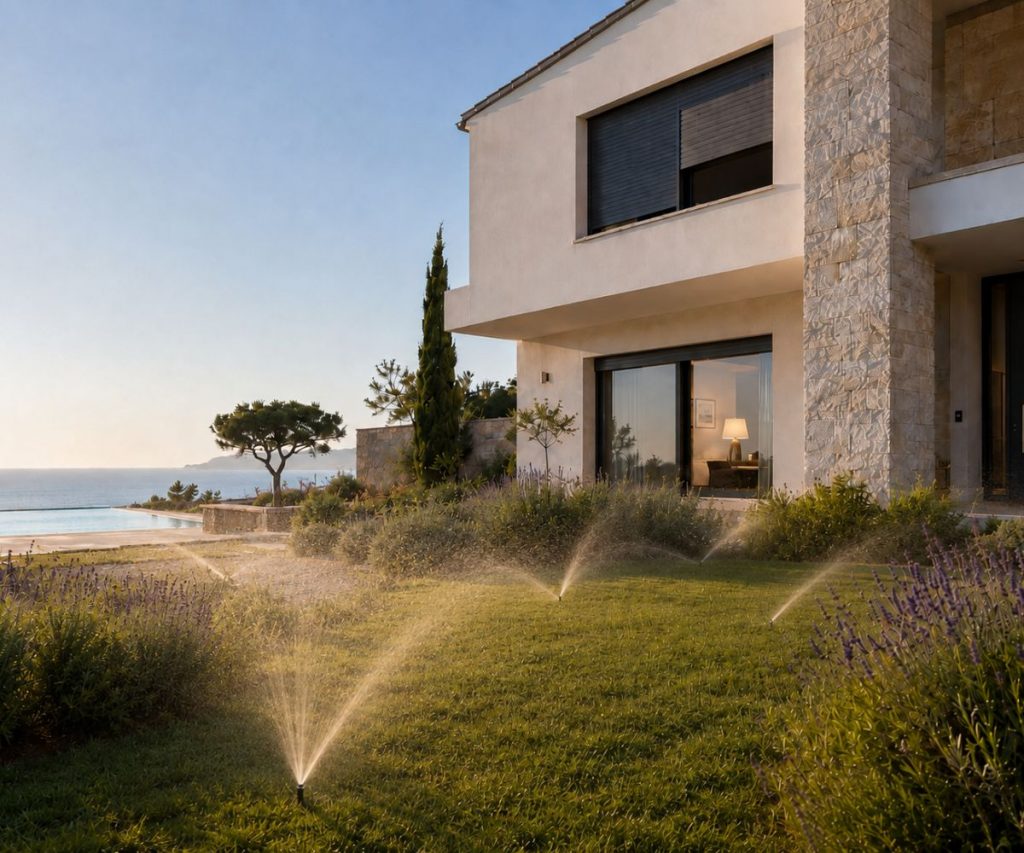
The outdoors: garden on 'autopilot'
The yard is often the first sign of a prolonged absence. A traditional irrigation system operates ‘blindly’, applying the same amount of water regardless of whether it’s 40 degrees or whether a storm has just passed through.
A smart irrigation system integrated into your smart home offers advantages that a conventional controller cannot:
Irrigation adapted to local conditions
It programs and adjusts irrigation based on temperature, soil moisture, and the needs of each zone, promoting more efficient water use.


Response to rain
The system can automatically stop irrigation when it detects rainfall or sufficient moisture levels, thereby preventing unnecessary water use.
Monitoring and alerts from anywhere
Check the system status and receive notifications for detectable issues, such as a water leak or unexpected operation.
Water: the silent threat that your smart home helps prevent
When we go on vacation, concerns about theft are usually a top priority. However, statistics reveal a much more common — and often underestimated — risk: water damage.
According to UNESPA, the Spanish insurance industry association, water damage is the most common type of claim in insured homes, with more than 3.4 million cases and 1,497 million euros in payouts in a single year. A small leak under the sink in a house that has been empty for weeks can turn into a serious and costly problem.
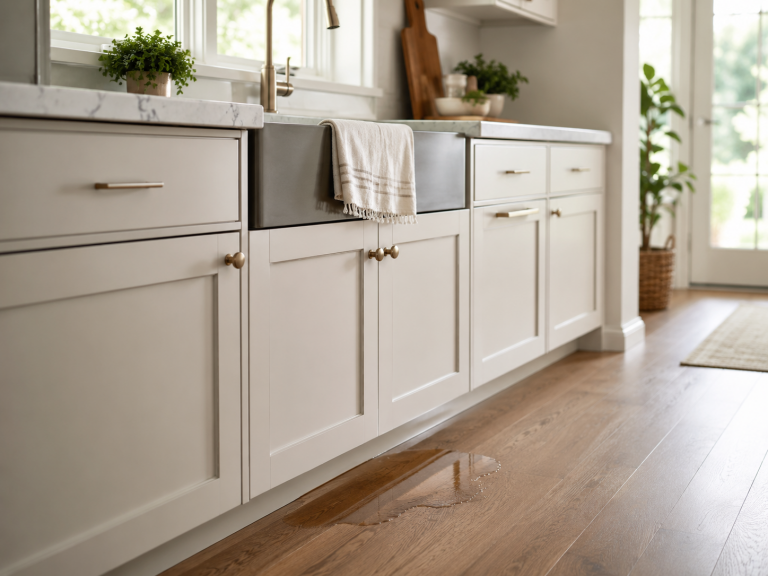
In a Kimbo smart home, we install water sensors at critical locations (under sinks, next to washing machines, in boiler rooms). As soon as the first drops are detected, the system responds immediately:
- It sends you an urgent alert to your cell phone, no matter where you are.
- It automatically shuts off the main water valve, cutting off the water supply and preventing further damage before it occurs.
It’s a nearly invisible form of protection that, while not the most eye-catching, fully justifies the investment in the system the first time it saves you from a disaster.
Your home is still “alive” and getting ready for your return
A smart home not only protects you and takes care of your plants, but also anticipates your return. Your home works in a coordinated manner to maintain an optimal temperature. The blinds, for example, adjust automatically to mitigate the sun’s impact, preventing the house from turning into an oven.
The presence simulation integrates more organically into this overall ecosystem. It’s not about lights that turn on only at a set time, but rather a home that follows a natural rhythm, protecting itself and staying in good condition while you enjoy your free time.
Home automation without building work: the first step towards peace of mind
The idea that home automation necessarily involves major building work and complex installations is a myth. At Kimbo Smart, we use Z-Wave wireless technology, which allows us to install these systems in any home – whether new or already occupied – cleanly, quickly and without the need for building work.
What’s more, you don’t have to install everything all at once. You can start with the solutions that matter most to you and gradually expand your smart home ecosystem room by room, all managed through a single app and a central hub that coordinates everything.
Take the plunge with Kimbo Smart
This August, don’t settle for a house full of gadgets. Choose a smart home that knows what to do without you. Request a no-obligation quote and find out how we can help you enjoy a holiday with real peace of mind, knowing your home is in the best possible hands.
FAQs
Scheduled automations run locally even if the internet connection is lost. An internet connection is required for remote access via your mobile and to receive notifications.
Yes. As it is a wireless system, it does not require any building work or alterations to the existing electrical installation, making it ideal for any type of home.
Yes. You can schedule watering times, turn it on or pause it from your mobile wherever you are, and integrate it with the rest of your home’s automation systems. As it’s wireless, it can be installed without any building work and you can expand the system whenever you like.
The system is designed to automatically restore its status and settings once the power supply is restored, ensuring that control of your home is maintained. It also alerts you as soon as the connection is lost, so you’re kept informed at all times.
Absolutely. The system is modular and scalable, allowing you to start with the essential features and add more options as your needs evolve.